Notes /
Work, Luck, Play
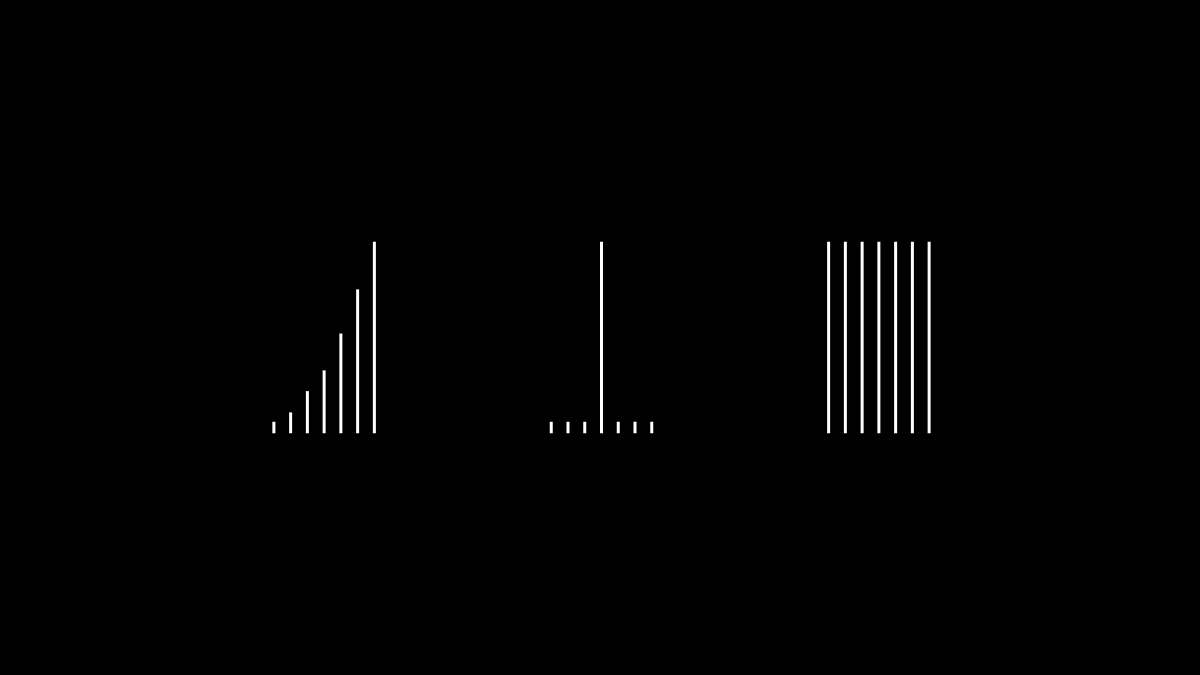
Work, Luck, Play is three pieces about how people explain an outcome. Some say they earned it. Some say it was luck. Some treat the whole thing as a game. Silk showed the three together at Art Basel Hong Kong, 25 to 29 March 2026.
Work is a row of silver hands that turns into a cursor, made with Asprey Studio in 2024. Luck is six resin dice, and every face of each die carries the same number. You can throw one as many times as you like and it will only ever give you one answer.
Play is where the other two meet. At the booth you rolled six ordinary dice, and the roll decided which six Luck dice you walked away with. Most rolls don't give you one through six. So you traded with strangers until you had a full set, then came back and I signed it. You could also just keep what you had. Every roll added to a growing display under a single piece called Luckiest.
Natilee Harren's Fluxus Forms came out with the University of Chicago Press in 2020. It follows George Brecht, George Maciunas, Robert Filliou and the rest of Fluxus through two kinds of object, the event score and the Fluxbox multiple. Art Monthly's review quotes her conclusion that the group's most important contribution was adapting the score "as a model for all kinds of artistic production beyond musical performance."
A score is a set of instructions that somebody else carries out. Michael Pisaro of CalArts, writing about the book, puts it well. Harren shows "the ambiguous double power of the score: as both action and potential." The page is a thing you can hold, and it is also everything that might happen once people start following it.
That is a fair description of the booth. The dice by themselves are close to inert. Each one is a single number cast in resin. What made the piece was the rule card. Roll, receive, trade, return. The visitors performed it, and how it went depended on who showed up and what they were willing to give away.
Her fourth chapter is titled "George Maciunas, Fluxboxes, and the Transitional Commodity." Maciunas put cheap things in a box with instructions and sold the box. The rules were the work, and the box was how the rules travelled.
Luck turns one part of that around. Duchamp dropped threads in 1913 to let chance fix a shape. A die is supposed to be chance you can carry. I took the chance out before anyone threw. Then the uncertainty moved somewhere else, into the trading, into whether the stranger next to you would swap a four for your second six.
The silver sets Asprey made, and the numbered coasters with Starbucks, pushed the same exchange into other objects. The core is still six numbers and a short list of instructions.
I keep thinking about the people who left with an incomplete set on purpose. They had rolled, they knew the rules, and they decided the set they got was the one they wanted. Every die was fixed. The choice of what to do with them wasn't.
Work: Work, Luck, Play