Notes /
Credits
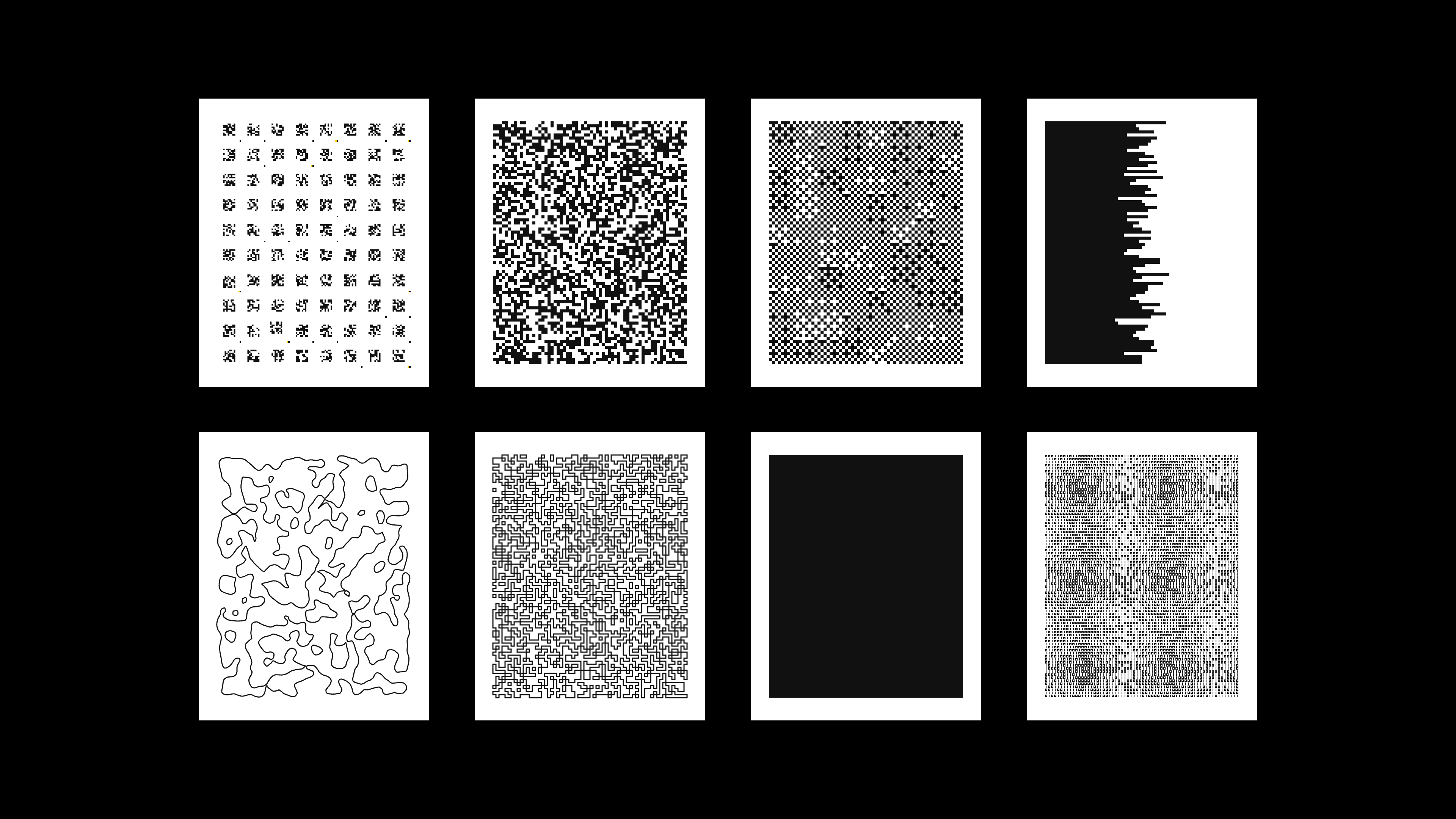
Credits starts with a payment. Someone sends $8 through X Money. The payment ID becomes one Credit. The project page puts it plainly: an artwork made from acts of trust. The name comes from Latin credere, to believe, to trust.
The transaction ID is hashed into 256 bits. Those bits become four 8 × 8 printing plates: cyan, magenta, yellow, and black. The second the payment settled picks which plates print. If the ID contains an 8, that mark shows up in the image. Each Credit is a complete work. The sealed edition is 122,154. No more can be minted.
You can keep them, or burn 80 into a Statement. A Statement is a page that keeps the order of those eighty Credits and adds their ratings. Ratings run from 80 to 800 by how rare the colors, marks, and registration are across the edition. The maximum number of Statements is 1,526. Locking one marks it WITHDRAWN and releases its points as BALANCE. The whitepaper frames the whole sequence as a tally stick: the Credit is the receipt, the Statement is the ledger page, WITHDRAWN is the stick snapped in half.
That image is why I keep coming back to David Graeber's Debt: The First 5,000 Years.
Graeber says the usual story of money is backwards. "We did not begin with barter, discover money, and then eventually develop credit systems. It happened precisely the other way around." Virtual credit came first. Coins arrived later, and never fully replaced the ledgers.
He spends a lot of time on tally sticks. In medieval England both parties took a hazelwood twig, notched the amount owed, and split it. The creditor kept the stock. The debtor kept the stub. Put the halves together and the debt was settled. Break them and it was cancelled. The Credits whitepaper is describing the same object in different materials.
Graeber also tracks the word. When people said "credit," he writes, they meant a reputation for honesty first. Giving credit to someone's words meant believing them. "Credit" shares a root with "creed" and "credibility." Most money in those settings "literally was trust," because most arrangements were handshake deals.
That is the part that matters for this work. The $8 payment was private. Sender and recipient saw the ID. Hashing it made a public picture out of a private act of trust. The plate that prints is not a portrait of the buyer. It is a record that the payment happened, turned into CMYK.
Collectors decide what survives. Some hold the individual Credits. Some burn them into Statements. Some lock the page and let the points move. The edition shrinks as people compose. The appetite for liquidity becomes one of the forces shaping what is left, the same way Graeber describes markets forming around debts that were already there.
Work: Credits