Notes /
Trademark
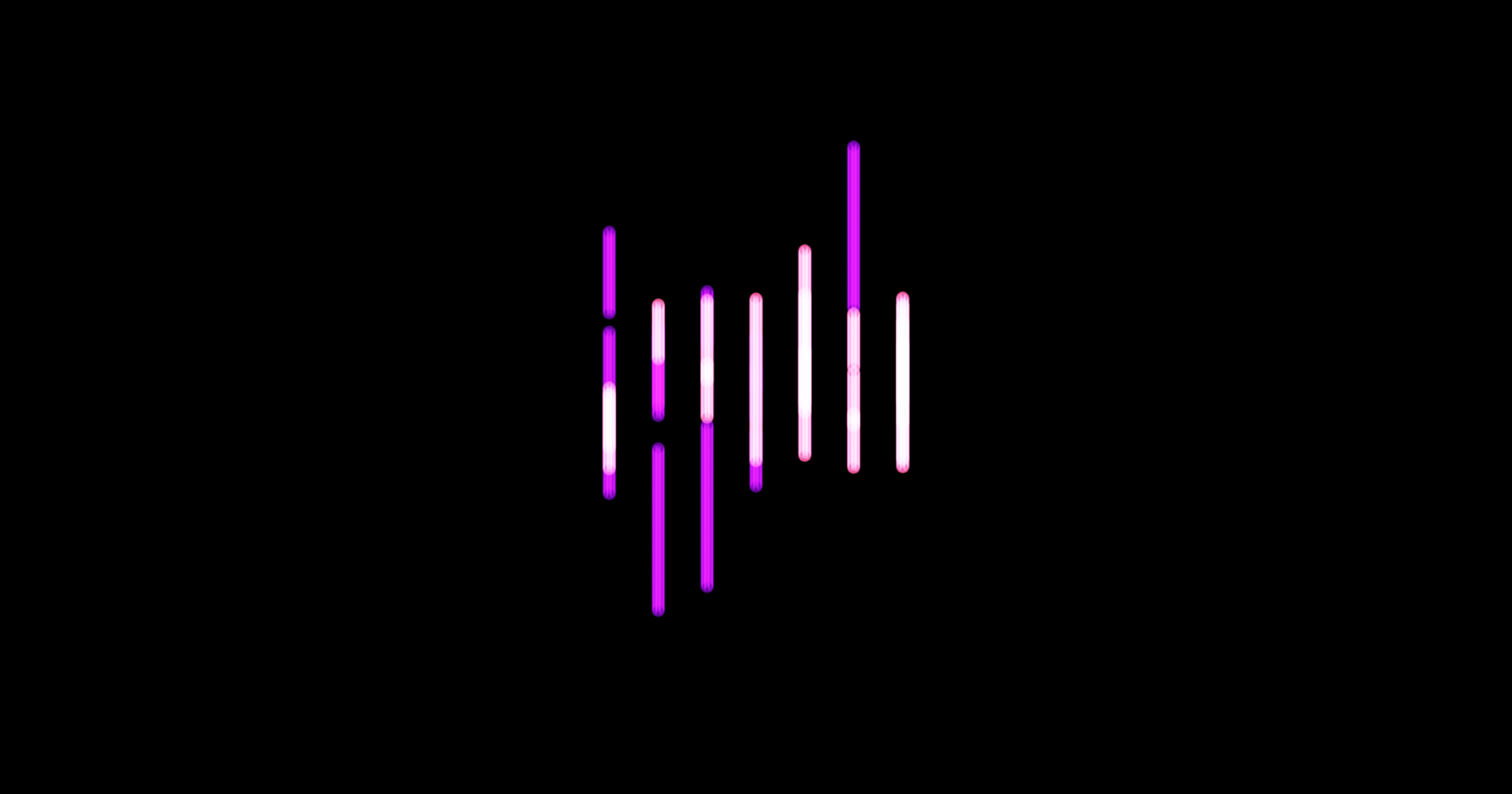
Trademark is a generative collection from 2023, made with Red Bull Racing and Art on Internet and built on Art Blocks Engine. Every output is made from one thing, the registered-trademark symbol. The program arranges ® into a new composition each time. The small circled R that usually sits in the corner of a package becomes the whole picture.
The text I keep going back to for this one is a law review article. In 1927 Frank Schechter published "The Rational Basis of Trademark Protection" in the Harvard Law Review. It's where the American idea of dilution comes from, the idea that a strong mark can be harmed even when nobody is confused about who made the product. Courts still cite it. In 2003 the Supreme Court called it "the seminal discussion of dilution."
Schechter's starting point was that the job of a trademark had changed. It was no longer mainly about naming a known source. Its real function, he argued, was "to identify a product as satisfactory and thereby to stimulate further purchases by the consuming public." Then he went further: "The mark actually sells the goods. And, self-evidently the more distinctive the mark, the more effective its selling power."
He set out four principles. The first is that "the value of the modern trademark lies in its selling power." The second is that this power depends "not merely upon the merit of the goods upon which it is used, but equally upon its own uniqueness and singularity." The value lives in the sign. The product is close to incidental.
Trademark takes that step literally. It keeps the mark and drops the product. There is nothing under the symbol to be good or bad. Only the legal claim is left, and it gets used as material.
Schechter also worried about marks that spread too far. "If 'Kodak' may be used for bath tubs and cakes, 'Mazda' for cameras and shoes, or 'Ritz-Carlton' for coffee, these marks must inevitably be lost in the commonplace words of the language." He set coined names like Kodak, which he said had been "added to rather than withdrawn from the human vocabulary," against names like Star, which had been registered nearly four hundred times and by then meant very little.
By his logic the ® is the most diluted mark there is. It sits on every kind of product. Nobody owns it. It points to no maker and no quality, only to the fact that somebody filed a claim. And it still works. Everyone reads it the same way.
I've linked it to verification badges before, as ways we represent things that can't be touched. It can also read as a trace of movement between two points, or as the mark you leave by practicing a trade.
Schechter wanted the law to protect a mark's uniqueness and singularity. Here a program makes a unique composition every time, out of the one symbol that has neither.
Work: Trademark
Sources
- Trademark, jack.art
- M. Scott Donahey, "Distinctive" and "Famous": Separate Requirements Under the Federal Trademark Dilution Act?, John Marshall Review of Intellectual Property Law 3 (2004), quoting Schechter at length
- Trademark Law Primer, Chapter 12, UC Berkeley School of Law, on Schechter and dilution