Notes /
Opepen Edition
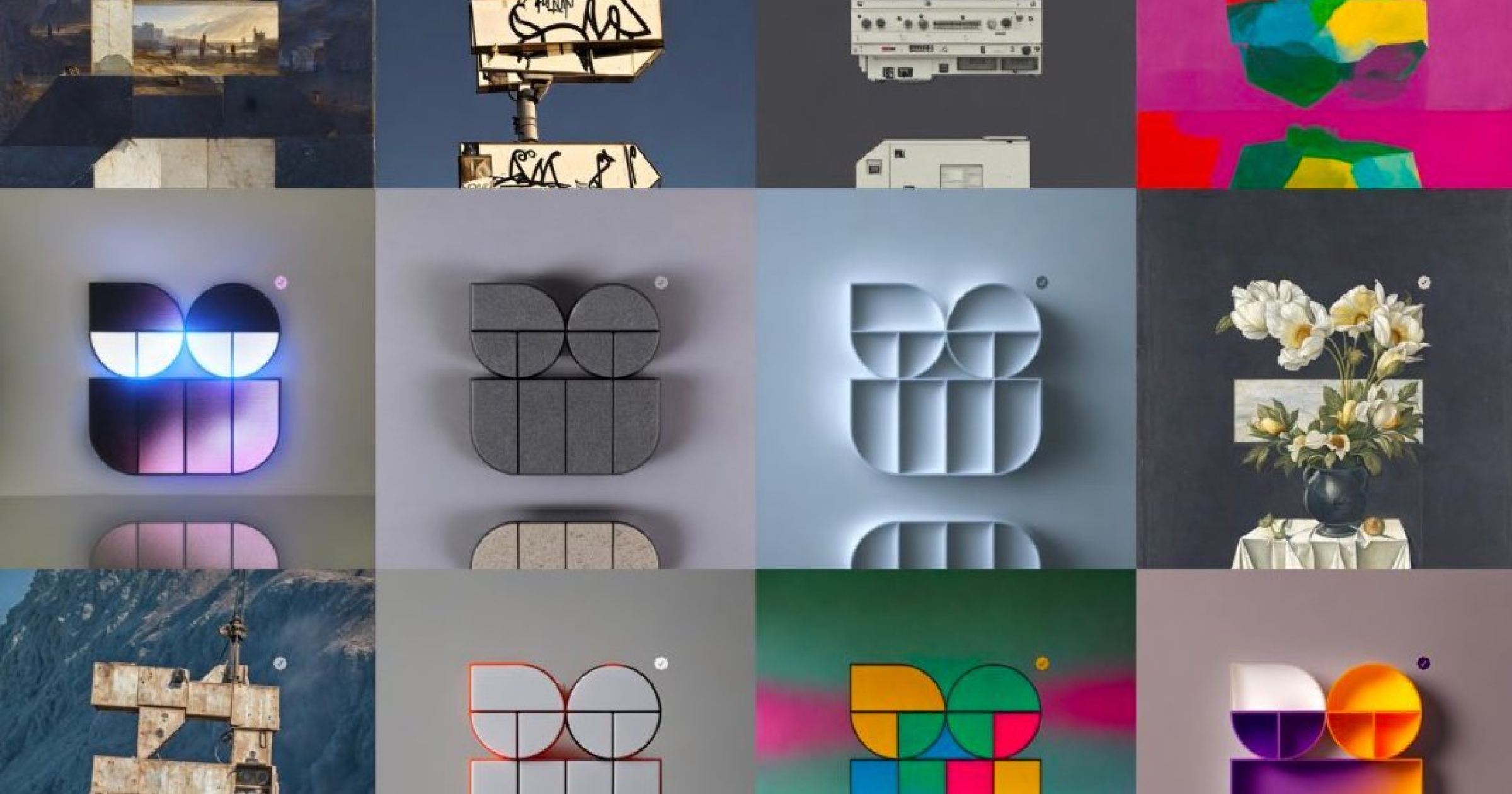
Opepen started on 8 January 2023 as a free open edition that ran for 60 minutes. The image was a geometric Pepe, a rounded head and shoulders built from a few arcs. It came from batz's geometric Pepe series, which comes from Matt Furie's character. I had no plan to build on it. I did it on a whim.
It turned into 16,000 tokens and a way for other people to make work. Before a set is chosen, every Opepen is the same plain silhouette. Artists propose images for that shape. Holders opt in to the sets they want. A set of 80 only releases when the opt-ins reach twice its supply, and who gets what is random. Set 001 was my own, 8x8. It was submitted on 30 April 2023 and reached consensus on 3 May.
David Joselit's After Art came out in 2012, in Princeton's POINT series. It is a short book, 136 pages, with four chapters: Image Explosion, Populations, Formats and Power. The argument is that the interesting work no longer sits in one finished object. It sits in what happens after the object is made, once it enters a network and starts moving. In the publisher's words, behaving like human search engines, artists sort, capture and reformat existing content. Works of art crystallize out of populations of images.
That is close to how Opepen actually behaves. I did not make the first image out of nothing. I reformatted something that was already everywhere. Pepe had already circulated for years as an internet meme. The silhouette is a format in Joselit's sense, a container that holds its shape while the content keeps changing.
What I did not expect was how much of the work would end up being the sorting. The images arrive from many artists. The holders decide which ones their tokens become. The threshold decides when a set is real. My job moved from drawing to setting the rules for how a population of images gets filtered down into a collection.
The rules kept changing for that reason. On 21 March 2024 I limited each token to opting into one set at a time, because opting into many sets at once was distorting the preference signal. A preference only means something if it costs you the other options.
In a blurb on the publisher's page, Anthony Vidler says the book might well have been called After Aura. Benjamin saw art lose power once it could be reproduced by machines. Joselit thinks the network puts power back, just in a different place. I would put it more plainly. In Opepen nobody owns the image. What people hold is a seat in the process that decides what the image turns into next.
Whose work is the collection, then? I made the shape and the system. Jalil Wahdatehagh and Traf built it with me. Other artists filled it in, and the holders chose. Joselit's model leaves room for all of that to count.
Work: Opepen Edition